Research Peptides, Explained. Purity, Documentation, Storage.
How research peptides are tested, what a certificate of analysis should contain and how vials are stored. For laboratory research use only.
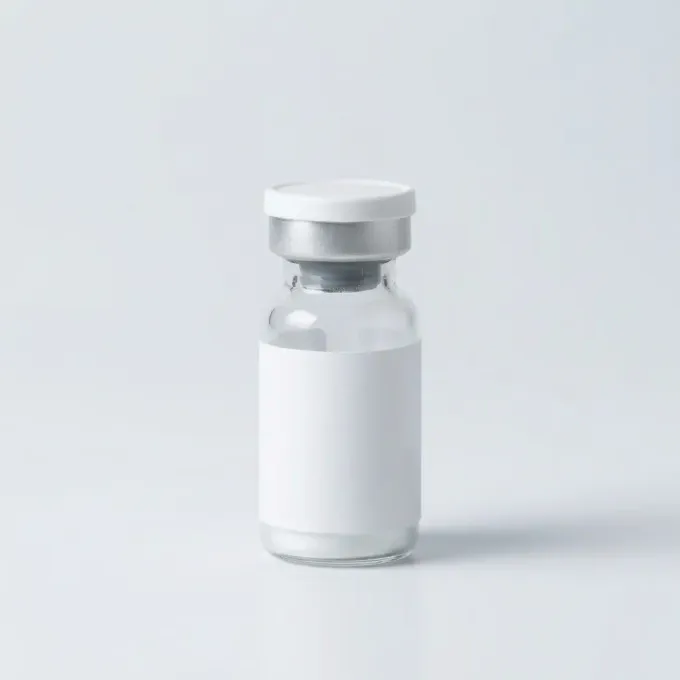
Purity Method
HPLC measures purity; mass spectrometry confirms identity. A complete report names both.
Batch Documentation
A certificate of analysis belongs to one lot. The lot number on the vial should match the report.
Correct Storage
Lyophilized peptides stay stable longest at -20°C, protected from light and moisture.
What are research peptides?
Research peptides are short chains of amino acids. In the lab, they are studied for how they bind specific receptors and influence signaling pathways.
Purity changes results. A batch that is only 85 percent pure can carry unidentified impurities that distort an assay. Every vial should come with a batch-specific report.
Storage matters just as much. Keep lyophilized vials at -20°C, out of light and moisture, and reconstitute only when a study begins.
Documentation is the real differentiator. A certificate of analysis should name the method, the purity result, the lot number and the test date.
How to read a certificate of analysis
- Product name and lot number match the label on the vial.
- Purity is measured by HPLC, with the chromatogram attached.
- Identity is confirmed by mass spectrometry against the expected molecular weight.
- The report names the testing laboratory and the test date.
- Storage conditions are stated for the lyophilized and the reconstituted product.
Frequently asked questions
Short answers on testing, documentation and storage of research peptides.
What does HPLC purity mean?
High-performance liquid chromatography separates a sample into its components. The purity result is the share of the main peak in the chromatogram.
What is mass spectrometry used for?
Mass spectrometry measures the molecular weight of the sample. It confirms that the peptide in the vial is the one named on the label.
Why does the lot number matter?
Test results apply to one production lot. Only a matching lot number links the vial to its own certificate of analysis.
How should peptides be stored?
Keep lyophilized vials at -20°C, away from light and moisture. Once reconstituted, store at 2 to 8°C and avoid repeated freeze-thaw cycles.
Are research peptides for human use?
No. Products labelled for research use only are intended for laboratory research and are not for human or veterinary consumption.
Check the documentation before you order.
- Batch-specific COA
- HPLC and mass spec
- Clear storage guidance
For laboratory research use only. Not for human or veterinary use.